By Dagna Courtman, Permanent Makeup Artist at Dagna Courtman Permanent Makeup And Beauty
I use lip blush to restore a natural-looking flush rather than add visible colour. For men, I match the pigment to the skin’s undertone and natural lip colouring, then apply it conservatively. The initial result looks darker, but it settles during the first week, with the true healed colour visible by week four.
You’ve noticed your lips look washed out in photos, or the natural colour you had in your twenties has faded. You want to do something about it, but you don’t want to look like you’re wearing anything at all. That’s exactly the gap that male lip blush fills, and it’s why more men are quietly booking it.
What lip blush actually does to a man’s lips
Lip blush is a permanent makeup technique that deposits soft pigment into the lips using a tattoo method. For men, the goal is almost never visible colour. It’s correction: restoring the natural flush that lips lose with age, sun exposure, or simply genetics. Think of it as putting the colour back rather than adding something new.
The result holds for one to three years depending on your skin type, lifestyle, and how much sun your face sees. It fades gradually, so there’s no harsh line of demarcation as it ages. That subtlety is a significant part of why lip tattoo for men has grown steadily as a treatment category over the past few years.
It’s worth understanding how the terminology works. Lip tattoo is the umbrella term for any permanent makeup applied to the lips. Lip blush is the specific technique most commonly used today, building colour across the whole lip surface for a diffused, natural finish. A separate approach called lip liner, which tattoos a defined outline on the vermilion border, was once popular but is now rarely performed. The risks associated with tattooing directly on the lip edge, combined with shifting aesthetics, have made it largely obsolete.
How colour selection works for a masculine result
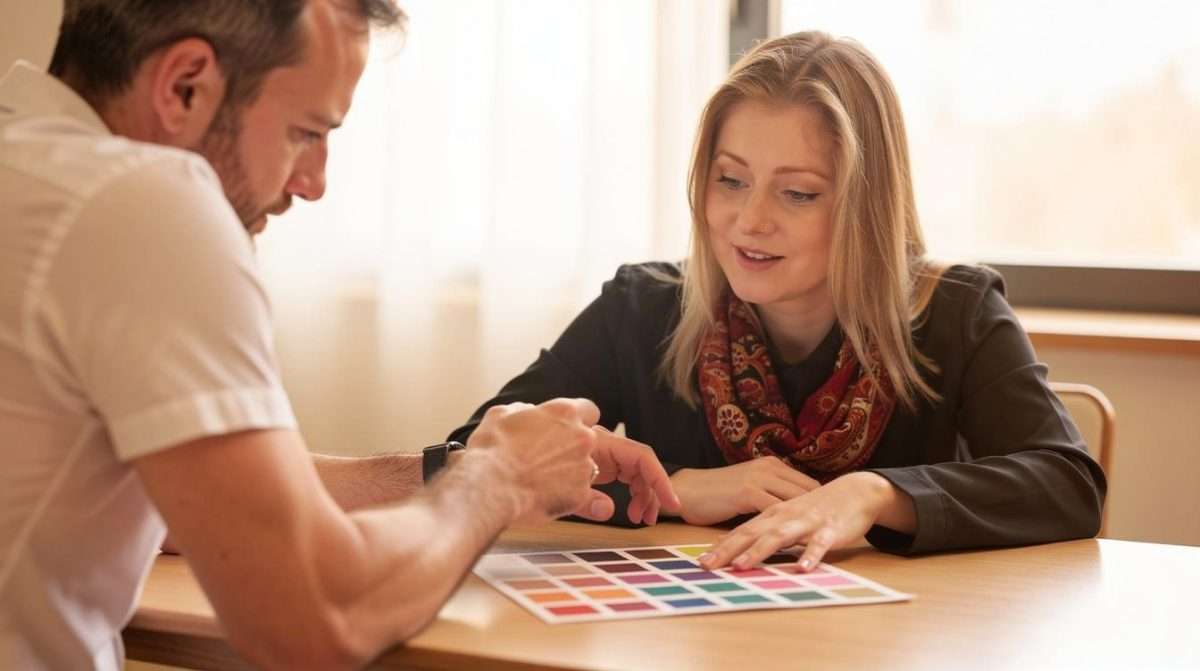
This is where the technique diverges most clearly from what you might imagine. Choosing a pigment for a male client isn’t about picking a flattering shade from a colour chart. It’s about matching the undertone of the skin around the mouth and selecting a pigment that reads as a correction rather than a cosmetic.
Most men do well with cool-to-neutral tones that mimic the natural pigmentation of healthy lip tissue. Warm, pink-heavy pigments tend to read as cosmetic even at low saturation, so I steer away from those for male clients unless their natural colouring specifically calls for it. Desaturated, slightly muted tones almost always produce the most convincing results.
The density of pigment application also changes. Where a female client might want a more saturated finish that adds a visible flush, a male lip blush client typically benefits from a lower-saturation pass built up conservatively. It’s easier to add more in a touch-up than to over-deposit in the first session.
What to expect from the appointment itself
The process is the same regardless of gender. A topical numbing cream is applied before treatment begins, and most clients find the sensation manageable from that point. The appointment typically runs between 90 minutes and two hours, with a significant portion of that time spent on consultation, pigment matching, and numbing.
Immediately after the procedure, the lips will look darker and slightly more intense than the healed result. That initial appearance settles within the first week as the skin heals and the pigment softens. By week four, you’ll see the true healed colour, and a touch-up appointment four to eight weeks later allows for any refinement.
Aftercare is straightforward: keep the area clean, avoid picking any flaking skin, and apply a thin layer of healing balm as advised. Sun protection over the lips after healing genuinely extends how long the result lasts, which is worth factoring in if you spend time outdoors.
Who makes a good candidate and what to consider first
Men with pale, faded, or uneven lip colour are the clearest candidates for this treatment. It also works well for anyone with asymmetry between the upper and lower lip in terms of colour depth, or for those whose lips simply lack definition against their skin tone.
A few things are worth considering before you book. If you have a history of cold sores, let your practitioner know well in advance: any tattooing around the mouth can trigger an outbreak, and antiviral medication taken beforehand significantly reduces that risk. Active skin conditions around the lip area, certain medications, and some medical histories may also affect suitability, so a thorough consultation matters.
My background in dental nursing shapes how I approach the anatomy of the lip area and the importance of that initial assessment. The consultation isn’t a formality. For male clients especially, it’s where the entire approach to colour, saturation, and shape gets decided, and getting those decisions right is what separates a result that looks completely natural from one that doesn’t.
Frequently Asked Questions
Will lip blush make my lips look like I’m wearing makeup?
Not if the treatment is calibrated correctly for a male aesthetic. Male lip blush uses low-saturation, neutral pigments applied at conservative density. The finished result reads as natural lip colour, not cosmetic application. Most people won’t notice anything specific; they’ll simply think your lips look healthy and well-defined.
How long does lip blush last on men?
Lip blush typically lasts one to three years before it fades to the point where a colour refresh is worthwhile. Men with oilier skin or high sun exposure tend to see faster fading. A touch-up appointment four to eight weeks after the initial session sets the result, and annual or biennial colour boosts maintain it comfortably.
Does the lip tattoo procedure hurt?
Topical numbing cream is applied before treatment begins, which makes the sensation manageable for most clients. The lips are a sensitive area, so some discomfort is normal, but outright pain is uncommon with proper numbing. Most male clients describe it as mild pressure or a slight scratching feeling rather than anything they’d call painful.
Can men with dark or very pale skin tones get lip blush?
Yes. Pigment selection simply needs to be matched carefully to the individual’s undertone and natural lip colouring. For darker skin tones, deeper neutral pigments restore definition without looking artificial. For very pale skin, subtle cool-toned pigments add warmth without contrast. A thorough consultation and skilled colour matching are what make the difference across all skin tones.
What’s the difference between lip blush and lip liner as a tattoo technique?
Lip blush deposits pigment across the full surface of the lips for a diffused, natural result. Lip liner tattoos a defined outline along the vermilion border and was once combined with full lip colour, but it’s now rarely performed. The risk of tattooing directly on the lip edge and shifts in aesthetic preferences have made lip liner largely obsolete in modern permanent makeup practice.
What should I tell you before booking male lip blush?
I need to know if you have a history of cold sores, active skin conditions around the lip area, take certain medications, or have relevant medical history. Tattooing around the mouth can trigger a cold sore outbreak, so discussing this well in advance helps me assess suitability and plan appropriately.