By Dagna Courtman, Permanent Makeup Artist at Dagna Courtman Permanent Makeup And Beauty
I explain that lip blush typically lasts between two and five years. Its longevity depends on skin type, sun exposure, lifestyle habits, and follow-up care. Oily skin and significant sun exposure can lead to fading closer to two or three years, while drier skin may retain colour longer.
You’ve invested in lip blush and you want to know how long it will actually hold. It’s a fair question, and the honest answer is that the lifespan varies more than most people expect. Lip blush typically lasts between two and five years, shaped by factors ranging from skin type to daily habits. This article breaks down what drives lip tattoo duration, so you can set accurate expectations and get the most from your results.
The typical lifespan of lip blush colour
Lip blush longevity sits somewhere between two and five years for most people. That’s a wide range, and it’s intentional, because no two lips are identical. The pigment is deposited into the dermis, which means it’s semi-permanent rather than truly permanent — the colour fades gradually as your skin regenerates and breaks down the pigment particles over time.
The two-year end of the scale tends to apply to people with oilier skin, very active lifestyles, or significant sun exposure. The five-year end is more realistic for those with drier skin, careful sun protection habits, and a top-up appointment around the two to three year mark. A touch-up doesn’t reset the clock entirely, but it does meaningfully extend the vibrancy of the colour and the definition of the result.
It’s also worth understanding that lip blush fades differently to, say, eyebrow work. The lips have a thinner, more vascular skin surface and a permanently moist environment, both of which accelerate pigment breakdown compared to other areas where permanent makeup is applied.
Skin type and lip texture: the factors you can’t change
Oily skin is the single biggest predictor of faster fading. The natural sebum produced by oilier skin types actively works against pigment retention, and the lips are no exception. If your skin tends to run oily, expect to sit closer to the two to three year mark before a refresh starts to feel necessary.
Drier skin retains pigment more effectively, which is why clients with this skin type often enjoy results closer to four or five years. That said, very dry or dehydrated lips can sometimes absorb pigment unevenly during the initial session, which affects how the colour settles in the weeks after treatment.
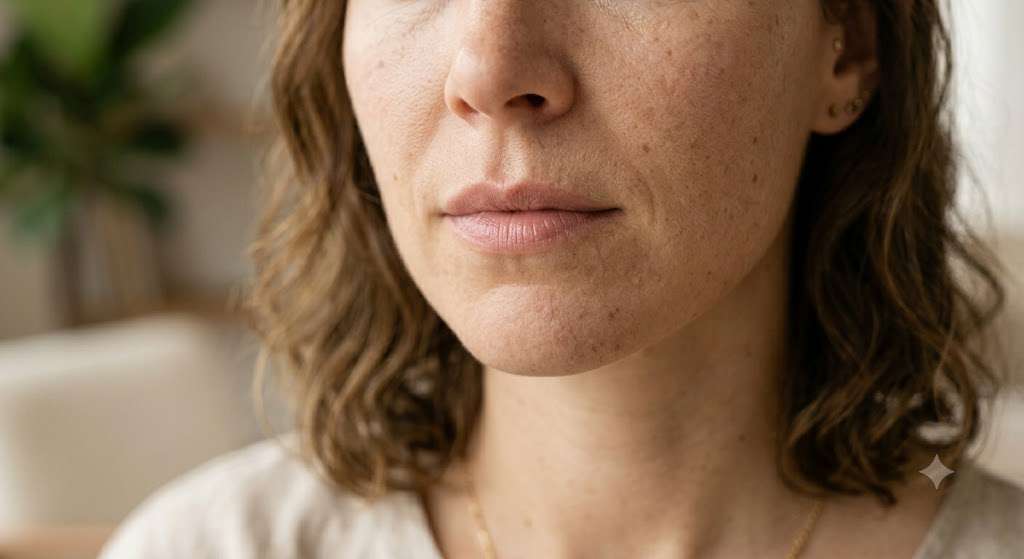
Lip texture matters too. Heavily textured lips with pronounced vertical lines tend to hold pigment less predictably than smoother lip surfaces. This doesn’t mean the result won’t be beautiful, but it can mean slightly faster fading along those fine lines. A skilled application technique and the right pigment choice help compensate for this.
Sun exposure and lifestyle habits that accelerate fading
UV light is the most aggressive external factor affecting lip blush longevity. The sun degrades pigment molecules in exactly the same way it fades a photograph left in a sunny window. Lips are almost always exposed when you’re outdoors, and most people don’t think to apply an SPF lip balm before heading out.
Using a lip balm with SPF 30 or higher daily is one of the most practical things you can do to extend your lip tattoo duration. It takes seconds and makes a measurable difference to how your colour holds over the years. Building this into your morning routine as a non-negotiable step pays dividends, especially in summer or if you spend significant time outdoors.
Smoking accelerates fading considerably, both through the repeated friction of the cigarette on the lip border and through the effect of nicotine on skin cell turnover and circulation. Frequent swimming in chlorinated pools is another underrated factor: chlorine is a bleaching agent, and regular exposure does affect pigment over time. Iron-deficiency anaemia can also influence how the skin retains pigment, so it’s worth addressing any nutritional gaps before committing to the treatment.
Aftercare and top-ups: what keeps results looking their best
The first ten days after your lip blush appointment are critical. During this window, the pigment is settling into the skin and the colour will look uneven, patchy, or too light before it normalises. Keeping lips clean, avoiding picking or peeling, staying out of pools and steam rooms, and not applying lipstick over healing skin all directly influence how the pigment seats itself for the long term.
The initial session is always followed by a touch-up appointment, typically six to eight weeks later. This second session corrects any uneven areas, adds density where pigment didn’t fully retain, and sets the foundation for lasting results. Skipping this step is one of the most common reasons clients feel underwhelmed by their lip blush longevity.
After that, the maintenance rhythm is personal. Some clients return at two years for a colour refresh; others wait until three or four. Rather than booking by calendar alone, monitor how you feel about the colour saturation. When the definition starts to soften and the colour no longer gives you that quiet confidence boost in the mirror, that’s usually the right moment.
Frequently Asked Questions
How long does lip blush last on average?
Lip blush typically lasts between two and five years. Lip blush longevity depends on your skin type, sun exposure, lifestyle habits, and whether you attend a follow-up touch-up appointment. Oilier skin types and those with high sun exposure tend to see fading closer to the two to three year mark.
Does lip blush fade completely over time?
Lip blush does fade significantly over time, but rarely disappears entirely. As a semi-permanent technique, the pigment gradually breaks down as skin renews itself. After several years without a top-up, most people are left with a very soft, almost imperceptible warmth rather than a completely clean slate.
What can I do to make my lip tattoo last longer?
The most effective steps are applying SPF lip balm daily, avoiding prolonged sun exposure without protection, keeping lips moisturised, attending your follow-up touch-up session, and avoiding chlorinated pools during the healing phase. These habits collectively extend lip tattoo duration by protecting pigment from environmental breakdown.
How does skin type affect lip blush longevity?
Oily skin produces sebum that breaks down pigment faster, meaning lip blush longevity tends to be shorter for this skin type, often closer to two to three years. Drier skin retains pigment more effectively and may see results lasting four to five years before a colour refresh becomes necessary.
When should I book a lip blush top-up?
The first essential top-up is six to eight weeks after your initial session, as this corrects uneven pigment retention and builds lasting results. After that, most clients return every two to four years depending on personal preference, lifestyle, and how much the colour has softened since their last appointment.
Why does lip blush fade differently from eyebrow work?
I explain that lips have a thinner, more vascular skin surface and a permanently moist environment. These characteristics accelerate pigment breakdown compared with other areas where permanent makeup is applied. I also consider lip texture, because pronounced vertical lines can hold pigment less predictably and may show slightly faster fading along those lines.