By Dagna Courtman, Permanent Makeup Artist at Dagna Courtman Permanent Makeup And Beauty
I consider you a good candidate if you have healthy, stable skin, no active brow-area conditions, and realistic expectations about healed results. Ombre brows can suit oily, combination, dry, and normal skin, but pregnancy, breastfeeding, certain medications, active skin conditions, recent isotretinoin use, and uncontrolled diabetes may mean treatment needs to wait.
You have seen the results and you want them. But before you book anything, there is a question worth answering honestly: are ombre brows actually the right treatment for your skin and your health right now? This article walks you through the real candidacy criteria, including the medical and lifestyle factors that are not always spelled out. By the end, you will know whether you are likely a good candidate or whether something needs addressing first.
What makes someone a good candidate for ombre brows
A good candidate for ombre brows has generally healthy, stable skin, no active breakouts or skin conditions across the brow area, and realistic expectations about healed results. The technique uses a shading method to create a soft, powdered finish rather than individual hair strokes, which makes it particularly well suited to oily and combination skin types. If you have ever struggled with other brow techniques fading quickly or looking patchy after healing, ombre brows is often the more durable choice.
Dry to normal skin also responds well, with results that can last anywhere from one to three years before a top-up is needed. People with sparse, thin, or over-plucked brows tend to see the most dramatic and flattering transformation. If you have lost brow density through alopecia in remission, previous over-grooming, or simply genetics, the filled effect of ombre brows can restore a sense of balance and definition to the face without looking drawn-on or heavy.
Skin tone matters less than skin condition. Ombre brows work across a full range of skin tones, and a skilled artist will select pigment with undertones specific to your complexion. What does matter is whether the skin in the treatment area is currently calm, unbroken, and not undergoing any active treatment.
Contraindications and health conditions that affect suitability
Ombre brows contraindications are not a formality. They exist because cosmetic tattooing creates controlled trauma to the skin, and certain health conditions or medications change how your skin heals, bleeds, or responds to pigment. Being honest about your medical history at consultation is not merely paperwork; it directly affects your result and your safety.
You are not currently a candidate if you are pregnant or breastfeeding. Hormonal shifts during pregnancy affect skin sensitivity, immune response, and pigment retention in ways that are unpredictable. The risk to you and your baby is not worth it, and most responsible artists will decline to treat you during this period without exception.
Active skin conditions across the treatment area are also a firm contraindication. This includes eczema, psoriasis, and rosacea when they are flaring. If your skin is in remission and has been stable for a meaningful period, candidacy can be reassessed. Similarly, anyone currently undergoing chemotherapy or radiotherapy is not a candidate. The immune system is compromised, healing is impaired, and the risk of infection is elevated.
Certain medications affect suitability too. Blood thinners, including aspirin taken regularly, warfarin, and some herbal supplements such as high-dose fish oil, increase bleeding during the procedure and reduce how well pigment sets. Retinoids and isotretinoin (Roaccutane) thin and sensitise the skin significantly; most artists require a pause of at least six to twelve months after finishing isotretinoin before they will treat you. Steroid creams used directly on the brow area can thin the skin over time and compromise results.
Diabetes is not an automatic disqualification, but it does require a conversation. Well-controlled diabetes with no complications affecting healing can be compatible with ombre brows. Poorly controlled diabetes carries real wound-healing risks and is a contraindication until the condition is stable.
Lifestyle factors that affect your result
Beyond medical history, your lifestyle shapes how your brows will heal and how long they will last. Sun exposure is one of the most significant factors in pigment longevity. If you spend a great deal of time outdoors, swim regularly in chlorinated water, or use sunbeds, you will likely find your brows fade faster than someone who avoids these. That does not make you unsuitable; it means you will need top-ups more frequently and should factor that into your decision.
Skincare habits matter more than most people realise. Active ingredients such as glycolic acid, lactic acid, and retinol accelerate skin cell turnover, which means the pigment exits the skin faster. If your routine is heavy in exfoliating acids or prescription-strength vitamin A derivatives, you will need to adjust your aftercare and possibly your ongoing routine around the brow area to protect your investment.
Those who use a great deal of makeup and skincare across the brow line, or who exercise intensively and sweat heavily on a daily basis, should also go into the process with clear expectations. During the healing period of four to six weeks, you will need to avoid water, sweat, makeup, and direct sun on the treated area for at least seven to ten days. Some lightening of the colour during healing is entirely normal; you might lose thirty to fifty per cent of the initial pigment depth before the true healed result settles. A planned top-up session, usually four to twelve weeks after the first appointment, is part of the process rather than a sign that something went wrong.
When a consultation is your most useful next step
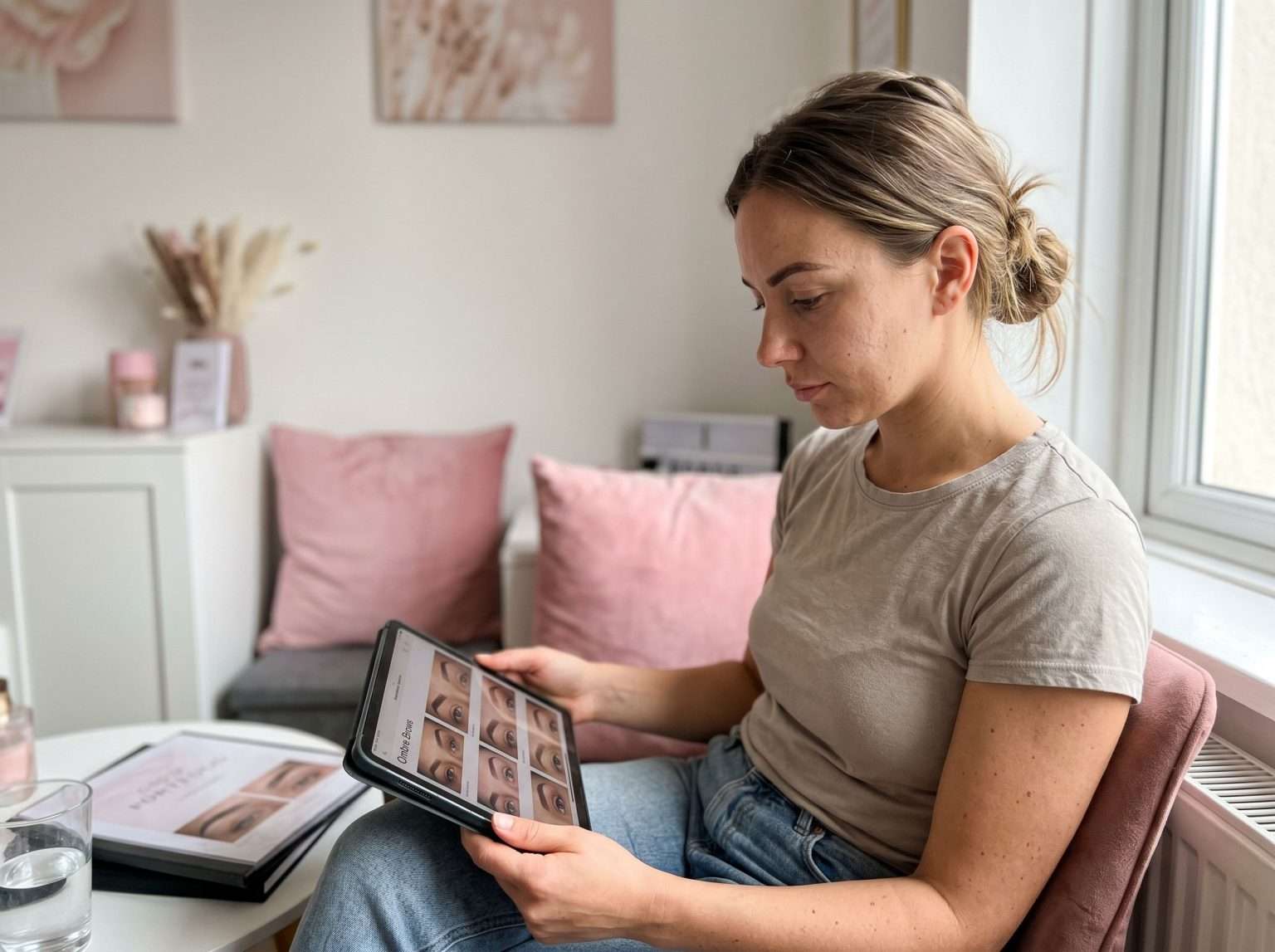
If you have read through the above and are not sure where you stand, a consultation is exactly the right place to gain that clarity. A thorough consultation for permanent makeup should cover your full medical history, any medications you are taking, your skin type, your lifestyle, and what you actually want the finished result to look like. It is also the moment to ask every question you have without feeling rushed.
Coming prepared with a list of your medications and supplements, details of any skin conditions, and a clear sense of your daily skincare routine will make that conversation more useful for both of you. The goal is to give you the information needed to make a confident decision. Some people walk away knowing they are a strong candidate and book on the day. Others need to adjust their medication, pause a skincare product, or wait out a health condition before the time is right. Both outcomes are the right outcome.
Frequently Asked Questions
Can I have ombre brows if I have oily skin?
Yes. Oily skin is actually one of the skin types that responds particularly well to ombre brows. The powdered shading technique retains pigment more evenly on oilier skin than hair-stroke methods do. You may need more frequent top-ups than someone with dry skin, but the technique is well suited to you.
Are ombre brows safe if I am taking blood thinners?
Blood thinners are a contraindication for ombre brows because they increase bleeding during the procedure and reduce how well the pigment sets into the skin. This includes prescribed anticoagulants and some supplements such as high-dose fish oil. You should discuss your medication with both your prescribing doctor and your brow artist before booking.
How long do I need to wait after Roaccutane before getting ombre brows?
Most permanent makeup artists require a minimum wait of six to twelve months after finishing isotretinoin, commonly known as Roaccutane, before treating you. The medication thins and sensitises the skin significantly, which affects healing and pigment retention. Your artist will advise you based on your specific course and how your skin has recovered.
Can ombre brows fade unevenly during healing?
Some unevenness during the four to six week healing process is completely normal and expected. You may lose thirty to fifty per cent of the initial pigment depth as your skin heals and sheds. The true settled result only becomes visible once healing is complete. A top-up appointment, typically four to twelve weeks after your first session, refines the final outcome.
What should I tell my artist at a permanent makeup consultation?
Come prepared to share your full medical history, a list of any medications and supplements you take, details of any skin conditions, and your current skincare routine. This information directly affects whether ombre brows are suitable for you right now, and it helps your artist choose the right pigment depth and aftercare advice for your specific skin type and lifestyle.
How should I care for my ombre brows while they heal?
I ask you to avoid water, sweat, makeup, and direct sun on the treated area for at least seven to ten days. The full healing period lasts four to six weeks. During this time, some colour lightening is normal, and the true healed result settles before any planned top-up.