By Dagna Courtman, Permanent Makeup Artist at Dagna Courtman Permanent Makeup And Beauty
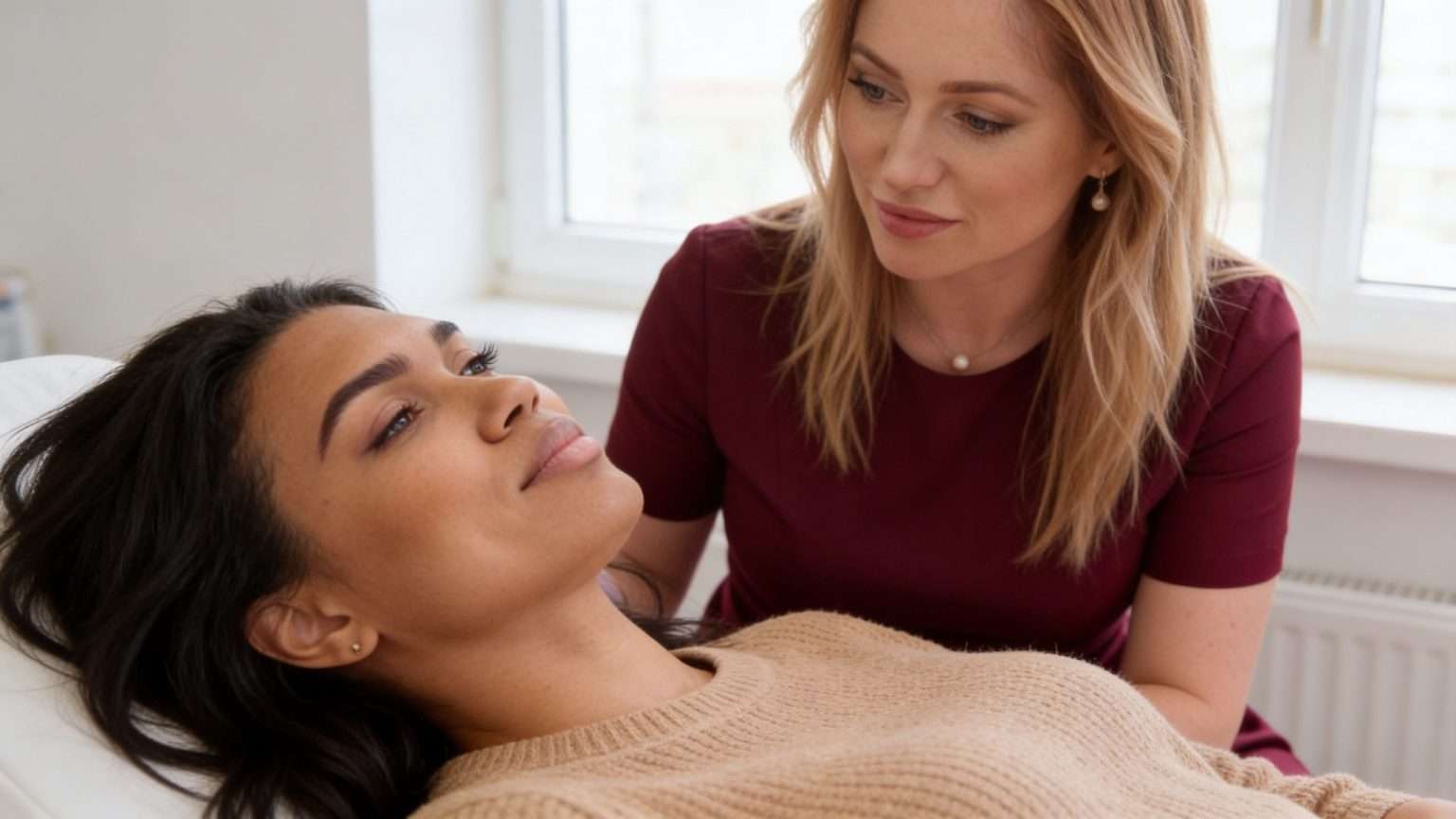
I determine your powder brows colour by assessing your skin undertone, natural brow hair, wider hair colour, skin type and how the pigment may fade. I also consider existing microblading, active skincare and sun exposure. We discuss your preferences and reference images, then agree the final pigment choice before any work begins.
You’ve seen the photos, you love the look, and now you’re wondering which colour will actually work on your face. It’s not as simple as picking the darkest shade or copying someone else’s result. These five factors genuinely determine which powder brows pigment will suit you, so you can walk into your appointment confident rather than guessing.
1. Your skin undertone is the foundation of everything
Undertone is the single biggest factor in eyebrow tattoo colour matching, and it’s the one most people overlook. Skin undertones fall into three camps: warm (golden, peachy, yellow), cool (pink, red, bluish), and neutral (a blend of both).
If you have a warm undertone and your artist chooses a pigment with cool or ashy notes, your healed result will look flat and slightly off. A warm-toned pigment on cool skin, conversely, can heal with a reddish or orange cast. The goal is a pigment that complements your undertone, not one that fights it.
A simple way to check: look at the veins on your inner wrist in natural light. Greenish veins suggest warm; blue or purple suggest cool; a mix of both suggests neutral.
2. Your natural brow hair colour sets the reference point
Even if your brow hairs are sparse, their colour tells me a great deal about which pigment family will blend seamlessly. Matching the pigment too closely to your hair can look flat; going too dark creates a heavy, drawn-on effect.
The sweet spot is usually one or two shades lighter than your natural brow hair, which allows the ombre gradient to look like a soft-focus version of your own brows. For those with very fair or near-invisible brows, I work from hair colour and skin tone together to choose a shade that feels believable rather than painted on.
3. How pigments fade should shape your colour choice from day one
This is where powder brows pigment selection gets interesting. All pigments shift as they heal and as the years pass, and different pigment families shift in different directions. Warm browns can pull slightly orange over time; ashy or cool pigments can fade towards a grey-blue. A pigment that looks perfect immediately after the appointment may heal 20 to 30 percent lighter and with a subtly different tone.
Choosing with fade in mind is essential. I factor in your skin type here too: oilier skin breaks down pigment faster and can cause certain shades to migrate, so I’ll often select a slightly deeper or more stable pigment to compensate. Drier skin tends to hold pigment with more fidelity, giving us more flexibility at the colour stage.
For anyone covering faded microblading or old semi-permanent work, the existing pigment underneath affects how the new colour reads. Correction work often requires neutralising residual tones before we can build the colour we actually want.
4. Your hair colour gives context the eyebrows must match
Brows don’t exist in isolation. They sit within the broader frame of your hair, and a mismatch between the two is one of the most common reasons a result looks slightly wrong even when the brow shape itself is good.
If you colour your hair, tell me what shade you maintain. If you’re between colours or planning a change, we discuss it. A warm blonde paired with cool ash-toned brows will always look disconnected. Dark hair with very light brows reads as unnatural in a different way. The aim is harmony: brows that could plausibly belong to your colouring.
5. Your lifestyle and skincare routine affect long-term colour
Retinol, AHAs, and exfoliating acids all accelerate pigment fading. Sun exposure does the same. If you use active skincare regularly or spend a lot of time outdoors, your ombre powder brows will fade faster than average, which changes both the pigment choice and the maintenance schedule we plan for.
It’s worth being honest about your routine at the consultation. It helps me choose a pigment that will last well and give you a realistic sense of when a colour refresh is likely to be worthwhile. A good result isn’t just about the day of the appointment; it’s about how the colour performs over the following one to three years.
Getting the colour right is a skilled process, not a menu selection. It draws on pigment chemistry, skin biology, and the way light interacts with colour at a very fine scale. When all five of these factors are considered together, the result is brows that look like an elevated version of yours, not a stencil applied to your face.
Frequently Asked Questions
Can I choose my own powder brows colour, or does the artist decide?
It’s a collaborative process. You share your preferences and reference images, and your artist analyses your undertone, skin type, and hair colour to select a pigment that will actually suit you. The final choice is always discussed and agreed before any work begins, so you’re never left guessing.
Will my powder brows colour look the same once healed?
No. Fresh pigment always appears darker and more saturated immediately after the procedure. Once the skin heals over roughly four to six weeks, the colour softens and lightens by around 20 to 40 percent. A skilled artist selects pigment with this shift in mind, so the healed result lands exactly where it should.
What happens to powder brows colour on oily skin?
Oily skin breaks down pigment more quickly and can cause certain shades to fade unevenly or shift in tone. Artists typically select a slightly deeper or more pigment-stable shade for oily skin types. Touch-up appointments may also be needed more frequently, usually every 12 to 18 months rather than every two years.
Can ombre powder brows cover faded microblading?
Yes, powder brows are often used to refresh or correct old microblading that has faded or changed colour. The residual pigment underneath affects how the new shade reads, so the colour selection process involves neutralising any unwanted tones before building the final result. A consultation assessment is essential in these cases.
How do I know if I have a warm or cool skin undertone for eyebrow tattoo colour matching?
Check the veins on your inner wrist in natural daylight. Greenish veins indicate a warm undertone; blue or purple veins suggest cool; a mix of both points to neutral. Jewellery preference can also hint at it: people who suit gold tend to be warm-toned, while those who suit silver often lean cool.
Should my powder brows colour match my dyed hair?
I consider your wider hair colour as well as your natural brow hair and skin tone. If you colour your hair, tell me which shade you maintain, especially if you are between colours or planning a change. I aim for harmony, so your brows look like they belong with your overall colouring.