By Dagna Courtman, Permanent Makeup Artist at Dagna Courtman Permanent Makeup And Beauty
I explain that a lip tattoo usually takes 4 to 6 weeks to heal fully, although the surface may look settled after 7 to 10 days. Swelling and dark colour are common initially, followed by flaking from around day 4 and temporary fading during days 7 to 14. Final colour appears around week 6.
You’ve booked your lip tattoo and now the nerves are kicking in: what will your mouth actually look like tomorrow, next week, in a month? It’s a fair question, and the honest answer involves some swelling, some flaking, and a colour that looks nothing like the final result for at least three weeks. Here’s what genuinely happens, stage by stage, so nothing catches you off guard.
A lip tattoo generally takes 4 to 6 weeks to heal fully, though the surface can look settled after just 7 to 10 days. That gap between looking healed and being healed is where most of the anxiety happens, so let’s walk through it properly.
What happens in the first 72 hours
Straight after your session, your lips will look considerably darker and more saturated than you’re expecting. This is normal. There’s pigment sitting on the surface as well as in the skin, and swelling is common for the first day or two, particularly along the lip border and cupid’s bow.
Some clients notice their lips feel tight, slightly tender, and warm to the touch. Cold compresses (wrapped, never applied directly) can take the edge off in the first 24 hours. By day three, the intensity of colour usually starts to soften slightly as surface swelling reduces.
The peeling and flaking stage
From around day 4 to day 7, the lips typically start to flake. Think of it like mild sunburn peeling, with small patches of dry skin lifting at the edges rather than one dramatic shed. This is the part people find hardest to sit through, because the temptation to pick is strong.
Don’t. Picking at peeling skin during a lip tattoo healing timeline can pull pigment out unevenly, leaving patchy colour that needs correcting later. Let it flake off on its own, however unglamorous that feels for a week.
Proper lip tattoo aftercare matters most here. Keep the area clean with the balm or ointment your artist recommends, avoid letting water sit on the lips for longer than necessary, and skip lipstick, lip balm with active ingredients, and direct sun for 7 to 10 days. Sweat should also be avoided where possible, so this isn’t the week for a hot yoga class.
The colour fade nobody warns you about
Around day 7 to 14, something alarming tends to happen: the colour goes flat, pale, or patchy. Clients often message their artist convinced something’s gone wrong. It hasn’t. A lightening of 30 to 50% during healing is completely typical, and it’s simply the skin’s healing response temporarily muting the pigment before it settles into the deeper layers.
This is the phase to trust the process rather than judge the result. The true colour rebuilds gradually underneath the surface over the following weeks, and it’s a completely different picture by week 4 than it was at day 10.
What healed lip blush results actually look like
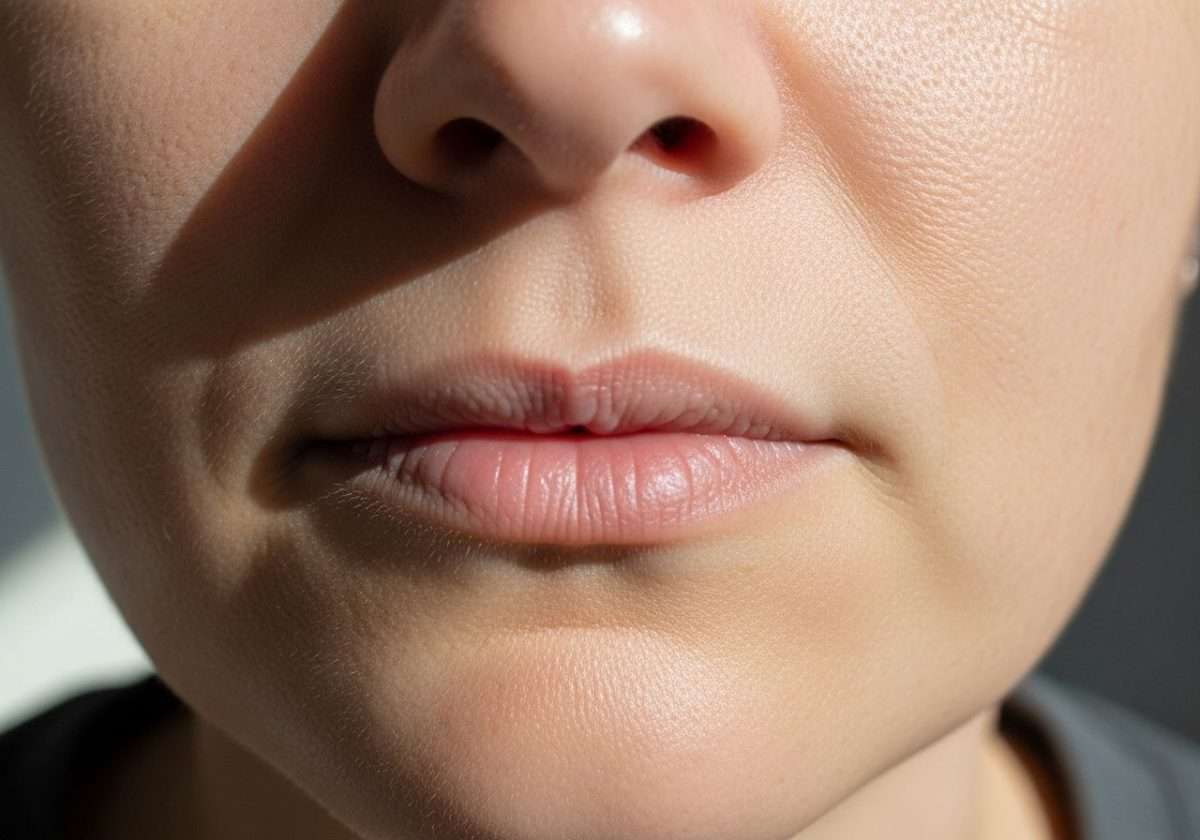
By week 4, most of the visible healing drama is over. The lips look and feel normal again, but the colour is still settling, and it can take until week 6 to 8 for the true, final tone to show through fully. Healed lip blush results tend to look softer and more natural than the initial post-procedure colour, with a lit-from-within flush rather than a solid block of colour.
Everyone heals slightly differently depending on skin type, lifestyle, and how closely aftercare was followed. Smokers, and anyone with naturally dry or flaky lips, may see the colour fade a touch faster. That’s exactly why a top-up session, usually booked around the 6 to 8 week mark, is built into the process rather than treated as a fix for something going wrong.
A top-up isn’t a sign the first session failed. It’s simply how pigment retention in lip tissue works, since lips shed skin faster than most other treated areas. The top-up fills in any patchiness, deepens colour where needed, and refines the shape now that the skin has fully settled. Some clients are perfectly happy with a single session and skip the top-up; others find it’s what takes the result from good to genuinely polished.
Longevity from there varies. Most people see their lip tattoo hold its colour well for 1 to 3 years before a refresh is worth considering, though sun exposure and skin turnover can speed this up or slow it down. Booking a colour refresh before it’s fully faded, rather than after, tends to give the most seamless result.
Frequently Asked Questions
How long does a lip tattoo take to heal in the UK?
Most lip tattoos take 4 to 6 weeks to heal fully in the UK, though the surface often looks settled within 7 to 10 days. True final colour usually isn’t visible until around week 6, once any residual pigment has rebuilt beneath the skin.
Why do lip tattoos look pale after a week?
A colour fade of 30 to 50% during days 7 to 14 is completely normal and doesn’t mean the procedure has failed. It’s part of the skin’s natural healing response, and colour typically rebuilds and deepens over the following weeks.
Is peeling normal after a lip tattoo?
Yes. Light flaking usually starts around day 4 and continues for about a week, similar to mild sunburn peeling. Letting it shed naturally, without picking, helps the colour heal evenly rather than in patches.
Do all lip tattoos need a top-up?
Not everyone needs one, but most artists build a top-up into the process at around 6 to 8 weeks, since lips shed skin quickly and pigment retention varies between clients. It refines colour and shape rather than fixing a mistake.
What aftercare is needed after a lip tattoo?
Lip tattoo aftercare involves avoiding water sitting on the area, sweat, makeup, and direct sun for roughly 7 to 10 days, alongside using a recommended balm. Picking at flaking skin should always be avoided to protect even colour healing.
When should the swelling and tenderness settle after a lip tattoo?
I explain that swelling is common during the first day or two, especially around the lip border and cupid’s bow. Your lips may also feel tight, slightly tender and warm. By day three, the colour usually begins to soften as the surface swelling reduces. A wrapped cold compress may help during the first 24 hours.
Ready to talk it through?
Dagna Courtman PMU & Beauty in Tollerton offers a personal consultation to answer your questions and recommend the right approach for you. Get in touch with Dagna Courtman PMU & Beauty to book your consultation.